
How to Spot “Money Can’t Buy” Experiences in Museums and Cultural Venues

Spotting opportunity and protecting value
You’ll often hear the phrase “money can’t buy experiences.” If you work for an organisation that stores and displays objects, artefacts, artworks, or sculptures - or if you work within a site of historic importance or natural beauty - then you probably already have many of these experiences waiting to be uncovered.
In this post, we’ll look at what money can’t buy experiences really are, how to spot them, and how to think about value - what it means, how to price it, and how to protect it as your events programme grows.
What is a “Money Can’t Buy” experience?
You may have heard the phrase used by companies such as Red Letter Days. It refers to an experience that feels so unique, exclusive, or special that it’s perceived as a one-off - something you can’t get anywhere else.
Of course, the phrase is slightly tongue-in-cheek. If it’s for sale, then technically you can buy it. But it does its job well: it creates a sense of exclusivity and desire, positioning the experience as something rare and must-have.
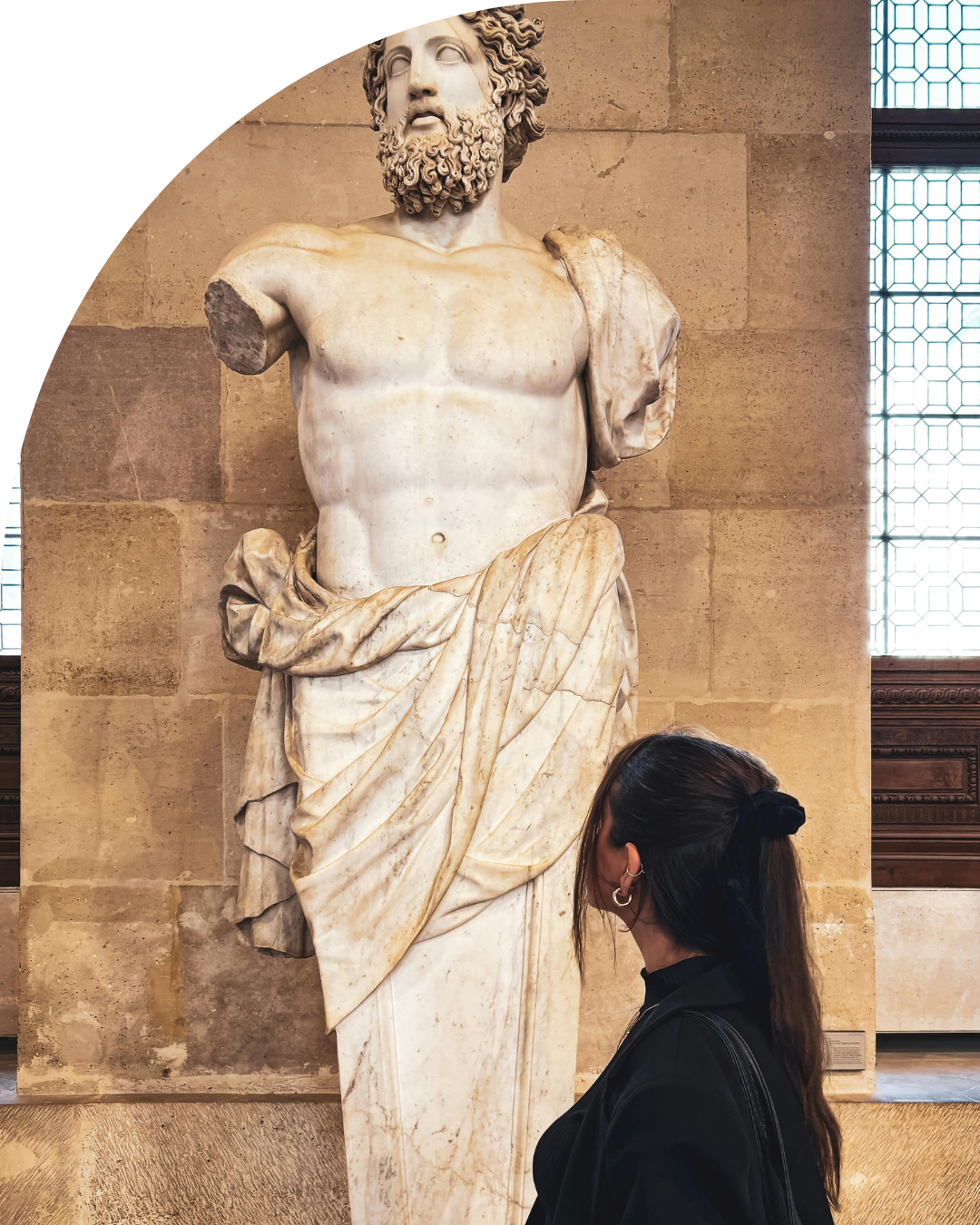
Museums and galleries are full of money can’t buy experiences, many of which remain untapped. Once you start looking, you may find there are so many potential opportunities that the real challenge becomes deciding which ones to include in your programme - and which to protect.
How to spot exclusive experiences
Behind-the-scenes access is often the most obvious place to start - and one of the most powerful. The key advantage is that no one can copy you. Every venue is unique.
A strong example is the experience offered at the Churchill War Rooms, where visitors can access the Cabinet Room, Map Room, and Churchill’s Bedroom. This is an extremely exclusive experience, priced between £600 and £800 depending on the guide booked.
It can’t be replicated elsewhere. There is only one War Room, and access must be booked directly through the museum, which adds to its exclusivity. Some may argue that the price excludes certain visitors - and that’s true. But this is where organisations need to balance their offer with lower-priced or free content that remains accessible to all.
In this case, the price reflects the need to protect historic spaces and artefacts through limited numbers and restricted access.
Another place to look is what isn’t on display.
At the RAF Museum, exclusive access to off-site storage - packed with remarkable objects and artefacts - was offered to Members. Again, this was a money can’t buy experience in the truest sense: rare, site-specific, and impossible to replicate elsewhere.
A good starting point is to talk to colleagues in collections. Ask which objects might be of particular interest and whether access would be possible. Check for safety and conservation considerations, and if you get the green light, start thinking about how these moments could be shaped into genuinely exclusive experiences.
Understanding - and Protecting - Value
Value is about charging the right price. That means not underselling an experience, but also ensuring visitors feel the price reflects what they’re being offered.
Pricing isn’t always an exact science. Budgets provide a framework, but intuition often plays a role. Benchmarking against comparable offers can also help you understand how your experience sits within the wider market.
Because money can’t buy experiences carry a strong perceived value, that perception needs to translate into a financial value if income is being generated.
If you’re offering access to something historically significant and genuinely rare, the price should reflect that.
Returning to the Churchill War Rooms example, pricing at £600 - £800 per group signals that the experience is valuable, limited, and carefully managed. It also naturally restricts demand, which helps protect fragile spaces.
Charging the correct price doesn’t just generate income - it protects the experience itself.
When your events programme becomes a success
Success is a good problem to have - but it still needs managing.
If an event becomes popular very quickly, it can run away from you if it’s not handled carefully. One of the most important things to remember is that successful events often need protecting as much as they need promoting.
Common signs of success include:
Tickets selling out quickly
Press interest
Attention from external partners
If you start seeing this level of interest, pause and think long-term. Extra attention isn’t always a positive unless it aligns with your wider strategy.
Ask yourself:
Does this interest add long-term value?
Will it enhance the event or dilute it?
Who genuinely adds value - and who should you say no to?
Who genuinely adds value - and who should you say no to?
Managing growth carefully allows you to stay in control of direction and to work only with partners who strengthen the experience.
Planning for repeatability and the long term
Once your programme is established - with stakeholders aligned, budgets agreed, partnerships in place, and reporting planned - it’s important to think about longevity.
Some events are intentionally one-offs, tied to anniversaries or themes. That can be appropriate, but it’s often resource-heavy.
Designing money can’t buy experiences as repeatable products is usually more sustainable. You can refresh them over time, but you’re building on something proven rather than starting from scratch each year.

It’s often helpful to plan around the financial year (April-March) rather than the calendar year. A simple planning document in Excel or Google Sheets, with bank holidays and major national events marked, can quickly reveal pinch points and opportunities.
Colour-coding events can help you see:
What’s happening when
Where resource pressure might arise
Potential clashes (for example, scheduling a festival during the Olympics)
This kind of visual planning supports strategic, rather than reactive, decision-making.
Thinking long term: formats that last
Over time, patterns emerge. Some formats naturally lose relevance - and that’s OK.
Escape rooms, for example, were hugely popular for a period but became harder to sustain as the market saturated.
If you’re looking for longevity, it’s often better to work with formats already embedded in everyday life and adapt them to your organisation’s themes, such as:
Cinema
Live music
Sport
Markets and fairs
Dining experiences
Attaching strong narratives to familiar formats gives events far greater shelf life.
Final thoughts on growth
Once your programme is established, opportunities will start appearing everywhere. That’s exciting - but it requires some restraint.
Monitor success closely. Protect what makes an experience special. Don’t let growth dilute the core value of what you’re offering.
Long-term success rarely comes from doing more. It comes from doing the right things well, knowing what to protect, and being willing to say no when needed.
Growth, at its best, is deliberate.
A note on support and next steps
Designing money can’t buy experiences is often less about having more ideas and more about making careful decisions - what to develop, what to protect, how to price confidently, and how to grow without losing what makes an experience special.
Alongside my project work, I support museums and cultural organisations through consultancy and one-to-one coaching, helping teams spot opportunity, shape programmes, and make clear recommendations around planning, pricing, and long-term sustainability.
Work with me
If you’re exploring exclusive or high-value experiences and would value a sounding board, you’re welcome to book a discovery call to see whether working together would be helpful.